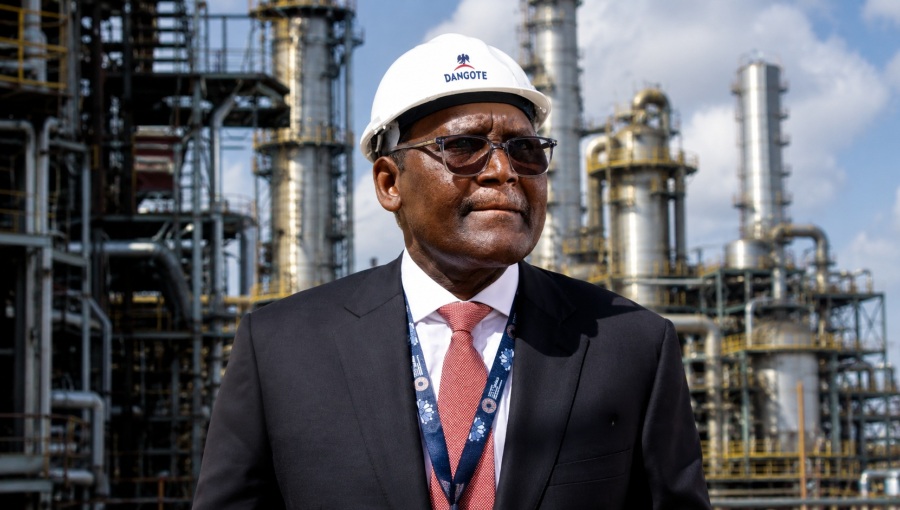
The Dangote Petroleum Refinery has recorded a major financial turnaround, posting a net profit of $4.73 billion for the first nine months of 2026 and reversing a $117.2 million net loss recorded over the same period last year.
According to un-audited financial results released on Tuesday, the company’s revenue surged to $22.48 billion from $9.19 billion, bolstered by an $8.57 billion intake in the third quarter alone. The facility has achieved sustained commercial production at a capacity of 700,000 barrels per day, clearing substantial liabilities to shift from a net debt position of $1.73 billion last year to $650.8 million in net cash reserves.
The financial results coincide with overwhelming investor interest in the refinery’s initial public offering, described as the largest in African history. The Securities and Exchange Commission approved a two-week extension to the offer, moving the closing date from 13 October to 27 October 2026.

Aliko Dangote disclosed that investor demand has already outstripped the core fundraising target by three to four times. Structured to foster broad retail and institutional ownership, the offering includes a 20 per cent allocation ($300.4 million) reserved for East African investors. Retail participation was further stimulated by setting an entry threshold of 10 shares at ₦525 each, totalling ₦5,250.
Alongside its commercial milestones, the company is pursuing a high-stakes legal contest over the regulation of the domestic downstream market. The refinery is seeking to overturn a Federal High Court decision delivered on 28 September by Justice Inyang Ekwo, which directed the Nigerian Midstream and Downstream Petroleum Regulatory Authority to continue issuing fuel import licences to independent marketers, including Matrix Energy, AA Rano, and AYM Shafa.
Backed on Tuesday by the civil society organisation Energy Watchdog, Dangote’s legal team has approached the Court of Appeal, arguing that continued foreign fuel importation threatens domestic refining investments and should be curtailed now that local capacity is sufficient to satisfy total national consumption.