French health and agriculture ministries have announced the world’s first documented case of human infection with the Shamonda virus, following the death of a severely immunocompromised patient in Lyon.
The patient, who suffered from an underlying condition causing severe immunodeficiency, had been undergoing specialised treatment at the Hospices Civils de Lyon. Before succumbing in early October, the individual developed acute neurological and cerebral complications, which health officials noted were very likely linked to the infection. A joint ministerial statement emphasised that the patient’s compromised immune system left them uniquely susceptible to the animal pathogen, while confirming there is no current health risk to the general public.
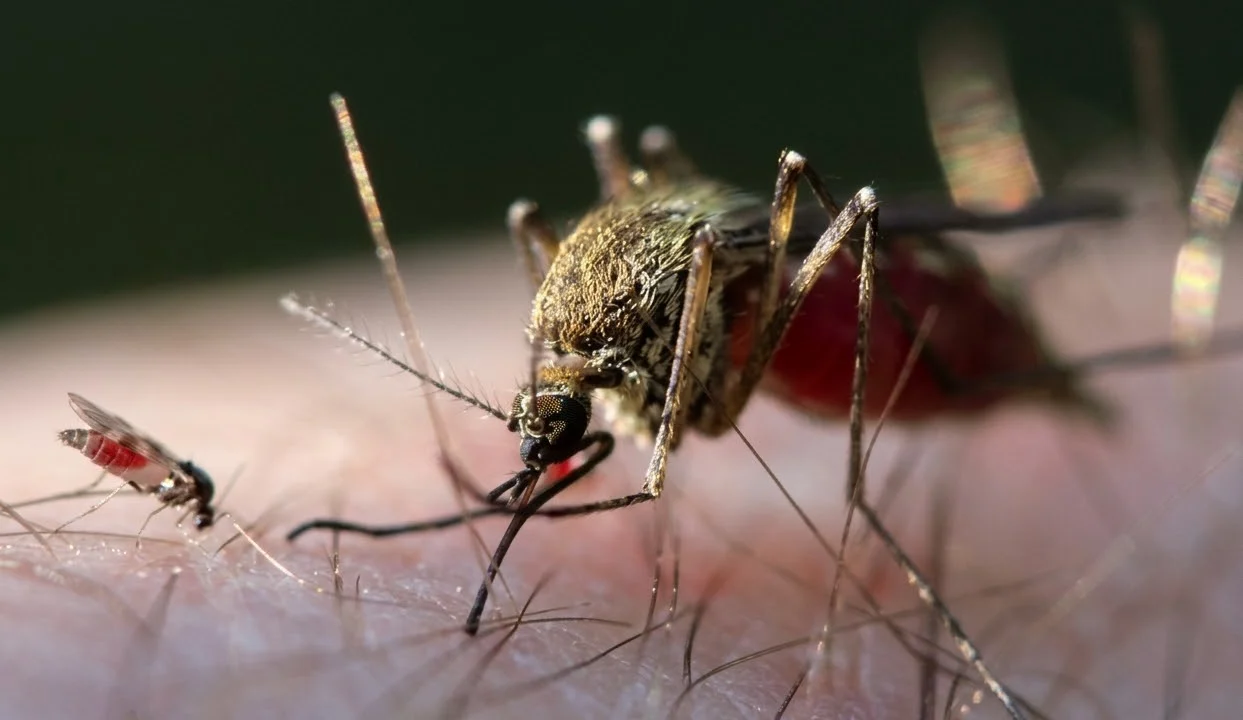
Epidemiological investigations suggest the patient contracted the virus via a bite from a disease-carrying midge of the genus Culicoides. Authorities believe the transmission occurred in eastern France, where veterinary surveillance had recorded active circulation of the virus among livestock populations during the spring and summer.

First isolated in Nigeria in the mid-1960s, the Shamonda virus is an insect-borne Orthobunyavirus historically restricted to domestic animals including cattle, sheep, goats, and horses, typically causing fever, diarrhoea, and reduced milk yields. Having been detected in Europe for the first time in late July, it has spread among livestock across Germany, Ireland, Italy, Spain, and Jersey.
Following the fatality, the case was formally notified to the World Health Organization. The European Centre for Disease Prevention and Control confirmed it is collaborating with French and European Union health bodies to examine the epidemiological implications of the transmission, though general public health protocols remain unchanged.