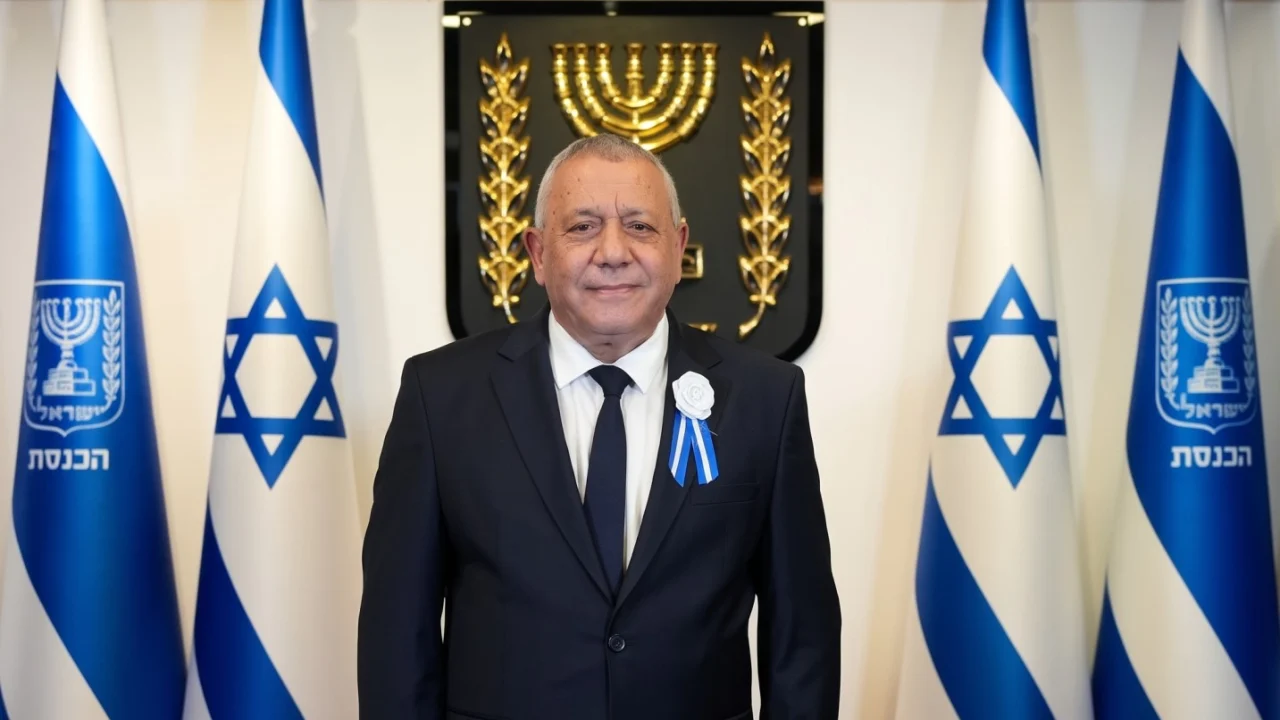
The State of Israel is navigating a severe political deadlock following the legislative elections held on October 27, 2026. Former Chief of General Staff of the Israel Defence Forces (IDF) Gadi Eisenkot is actively working to build a governing coalition to replace Caretaker Prime Minister Benjamin Netanyahu.
The newly elected twenty-sixth Knesset remains sharply divided, with neither major bloc securing an outright majority in the one-hundred-and-twenty-seat chamber.
Following official post-election consultations, President of the State of Israel Isaac Herzog granted Former Chief of General Staff Gadi Eisenkot the first twenty-eight-day mandate on November 8, 2026. The Office of the President noted the opposition leader secured recommendations from sixty-seven lawmakers, compared to forty-six endorsements for Caretaker Prime Minister Benjamin Netanyahu. Final data from the Central Elections Committee (CEC) confirmed no single camp cleared the sixty-one-seat governing threshold.
The right-wing bloc secured fifty-three seats, while the four-party opposition bloc won forty-eight seats, and Arab-led factions captured a record nineteen seats, as verified by the CEC. Opposition lawmakers immediately introduced legislation to establish a state commission of inquiry into the October 2023 security failures and impose prime ministerial term limits. To bypass the deadlock, Former Chief of General Staff Gadi Eisenkot has proposed forming a minority national emergency government.
Caretaker Prime Minister Benjamin Netanyahu has repeatedly urged his rival to join a broad national unity government to confront regional threats. However, the opposition leader publicly condemned racist campaign rhetoric and demanded a clean break from far-right political figures. Constitutional guidelines mandate that he has until December 6, 2026, to assemble a viable coalition before the presidential mandate expires.