The military conflict between the United States and Iran has escalated into a sustained war of attrition, marked by soaring military expenditures, maritime strikes in the Persian Gulf, and the collapse of a Qatari-Pakistani diplomatic initiative.
Diplomatic and intelligence reports indicate that Washington has advised Gulf Arab allies to prepare for an intensive military offensive against Iranian assets, anticipated to accelerate following the upcoming United States midterm elections. Addressing the conflict, U.S. President Donald Trump indicated to reporters that deciding whether to negotiate a final resolution or intensify strikes to disable Tehran’s capabilities remains a matter of executive timing. To bolster regional deterrence against retaliatory ballistic missile barrages, the Pentagon has deployed additional Patriot missile defence batteries from Texas to frontline regional installations.
The sustained campaign has placed substantial pressure on defence logistics.
Internal U.S. Central Command assessments estimate that military operations have exceeded $47 billion, with approximately $29 billion directed towards replenishing expended munitions, triggering concern among defence planners over strategic stockpiles.

Simultaneously, international diplomatic initiatives have hit a deadlock after Tehran formally rejected a seven-day phased peace framework formulated by Qatari and Pakistani mediators. Iranian officials described the proposed reciprocal roadmap as unacceptable, maintaining that any de-escalation is contingent on the United States lifting its naval blockade on Iranian ports, releasing frozen sovereign assets, and suspending economic sanctions. Conversely, Washington and U.S. Vice President JD Vance have demanded an immediate halt to uranium enrichment and the inclusion of Iran’s entire nuclear apparatus in comprehensive negotiations before sanctions relief can be considered.
On the ground, International Atomic Energy Agency (IAEA) Director-General Rafael Grossi informed the United Nations Security Council that Iran has not attempted to reconstruct or repair nuclear facilities previously damaged by U.S. and Israeli airstrikes, though UN inspectors remain barred from accessing the affected sites.
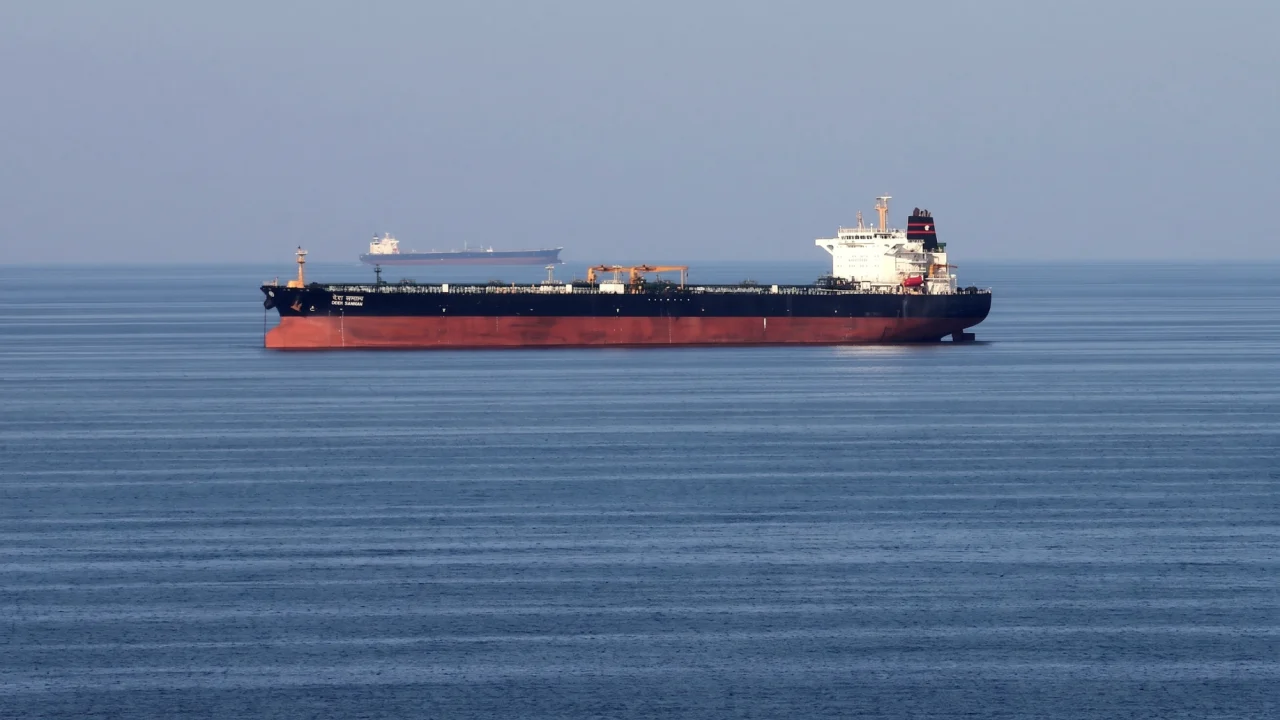
The standoff has increasingly impacted maritime energy corridors. Iranian state media reported that seven commercial oil tankers were struck in a single night near the Strait of Hormuz, contributing to a record 12 commercial vessels hit within a week. In a public statement on X, Iranian Foreign Minister Abbas Araghchi warned that any further Israeli-instigated military confrontation in the Persian Gulf would inflict severe disruptions across global energy supply lines and fuel markets worldwide.