Both chambers of the National Assembly have passed for second reading the National Senior Secondary Education Commission (NSSEC) Act (Amendment) Bill, 2026, advancing an executive legislative initiative to restructure the governance and funding architecture of senior secondary schools nationwide.
The Executive Bill, approved by the Federal Executive Council (FEC) and formally transmitted to parliament by President Bola Ahmed Tinubu, proposes comprehensive alterations to the principal Act (No. 45 of 2023) to eliminate funding bottlenecks, bridge infrastructure deficits, and address severe regional disparities across public secondary schools.
The legislation was sponsored in the Senate by Majority Leader Opeyemi Bamidele and in the House of Representatives by House Leader Julius Ihonvbere. A primary pillar of the amendment is the statutory decentralisation of oversight through the creation of Senior Secondary Education Boards across all 36 states and the Federal Capital Territory (FCT), bringing routine administrative supervision closer to host communities.

Crucially, the bill broadens the statutory intervention mandate of the NSSEC to formally cover Federal Unity Colleges and secondary institutions administered by the Armed Forces, making them legally eligible to receive direct capital grants, modern laboratory equipment, and teaching infrastructure.
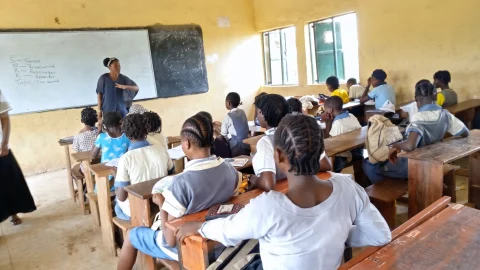
The legislative push aligns with ongoing structural reforms steered by the Federal Ministry of Education under Dr Tunji Alausa, which seek to phase out the operational “disarticulation” that rigidly segmented Junior Secondary Schools (JSS) from Senior Secondary Schools (SSS). Ministry assessments revealed that separate management created severe resource imbalances – often leaving crowded junior sections operating beside under-resourced senior blocks – and accelerated student dropout rates before upper secondary completion.
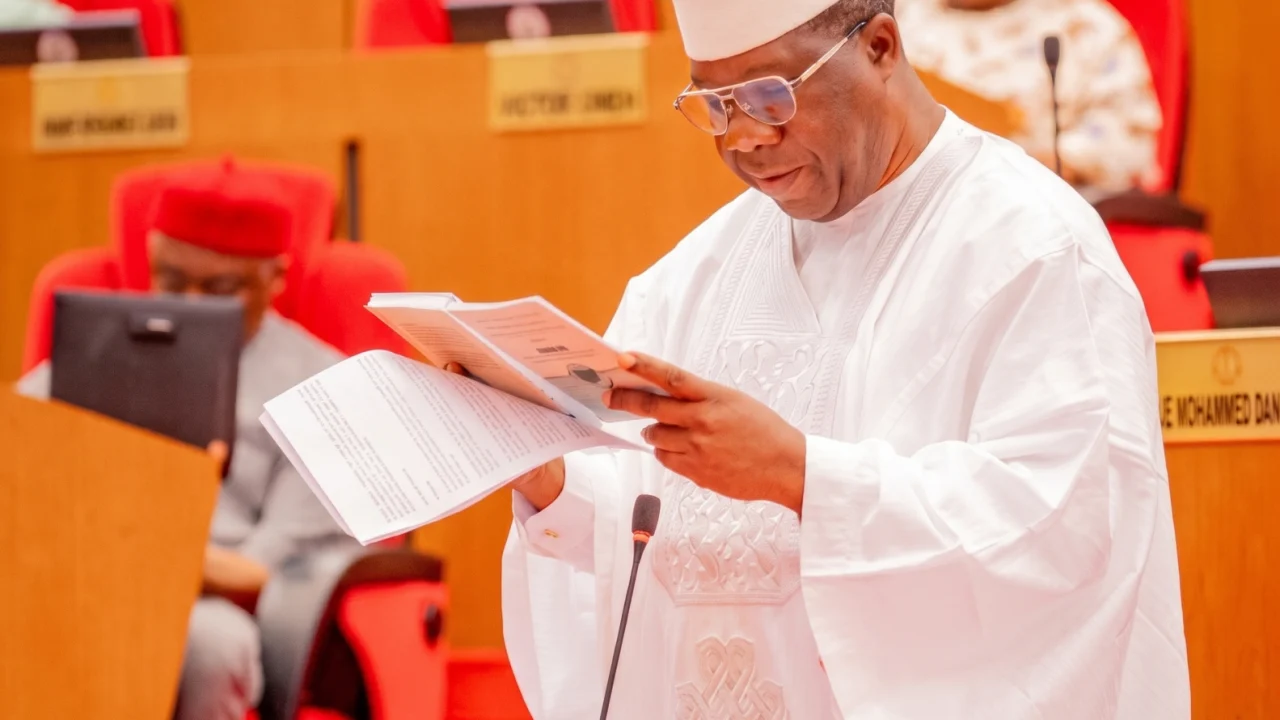
During plenary debates, lawmakers highlighted critical implementation hurdles. Senator Adams Oshiomhole raised procedural concerns regarding the distribution of physical bill copies for thorough legislative scrutiny prior to voting. Other legislators urged stricter compliance frameworks, observing that systemic failures by several state governments to disburse statutory counterpart funds continue to trap vital basic education intervention grants while school buildings deteriorate.
The Senate and House have referred the bill to their respective Committees on Basic and Secondary Education, with a mandate to conduct public hearings, evaluate fiscal provisions, and report back within four weeks for final third-reading passage.