A rare, six-day localised ceasefire in southern Ukraine has enabled humanitarian teams to evacuate more than 750 civilians from the Russian-occupied city of Oleshky, marking the most substantial diplomatic opening and localised pause in hostilities along the frontline since the 2022 invasion.
The temporary truce, which took effect on Tuesday, October 27, 2026, and is scheduled to conclude on the evening of Sunday, November 1, 2026, allowed aid workers and civil protection teams to navigate what had become a heavily mined frontline combat zone. Located on the eastern bank of the Dnipro River in the Kherson region, Oleshky had remained cut off from standard supply chains since early 2022. Over recent months, the remaining population of approximately 2,000 residents suffered acute deprivations, with volunteers reporting severe shortages of running water, electricity, food, and medical supplies.
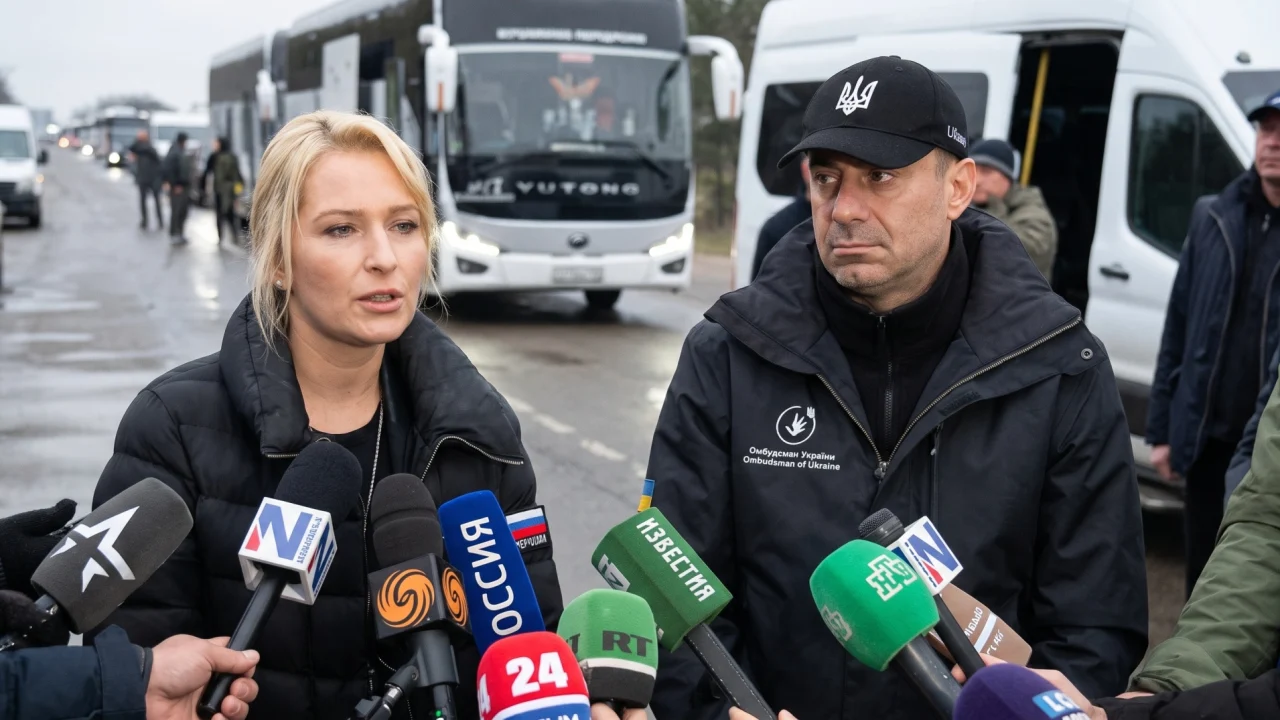
The diplomatic breakthrough followed backchannel discussions initiated by United States First Lady Melania Trump alongside parallel humanitarian appeals from Pope Leo XIV, who engaged both Russian President Vladimir Putin and Ukrainian President Volodymyr Zelenskyy. In an unprecedented development, Ukrainian Human Rights Ombudsman Dmytro Lubinets and Russian Human Rights Commissioner Yana Lantratova jointly entered the occupied settlement to supervise the corridor and coordinate relief delivery.

Before the humanitarian relief fleet could enter, military engineers spent several days clearing unexploded ordnance and booby traps along access corridors – an effort in which two personnel were killed during demining. Following clearance, a convoy comprising 25 buses, nine ambulances, and support vehicles delivered consignments of food, pharmaceuticals, and generator fuel for civilians choosing to remain.
Evacuees were permitted to decide whether to travel toward Russian-administered territory or return to government-controlled Ukraine. Because active combat prevents direct transit across the Dnipro River, individuals electing to return to Ukraine have embarked on an indirect 450-kilometre corridor routed through Crimea and the southern Russian transit hub of Anapa, followed by charter flights to Belarus before boarding buses back across the northern Ukrainian border.
Despite the relief operation’s success, diplomatic officials emphasise that the truce remains strictly confined to the immediate Oleshky pocket, with heavy artillery and drone strikes continuing across other active sectors of the front. The Kremlin noted that the arrangement represents an isolated humanitarian exemption rather than a broader framework for peace negotiations, while defence analysts anticipate an immediate resumption of tactical engagements once the corridor formally closes on Sunday night.