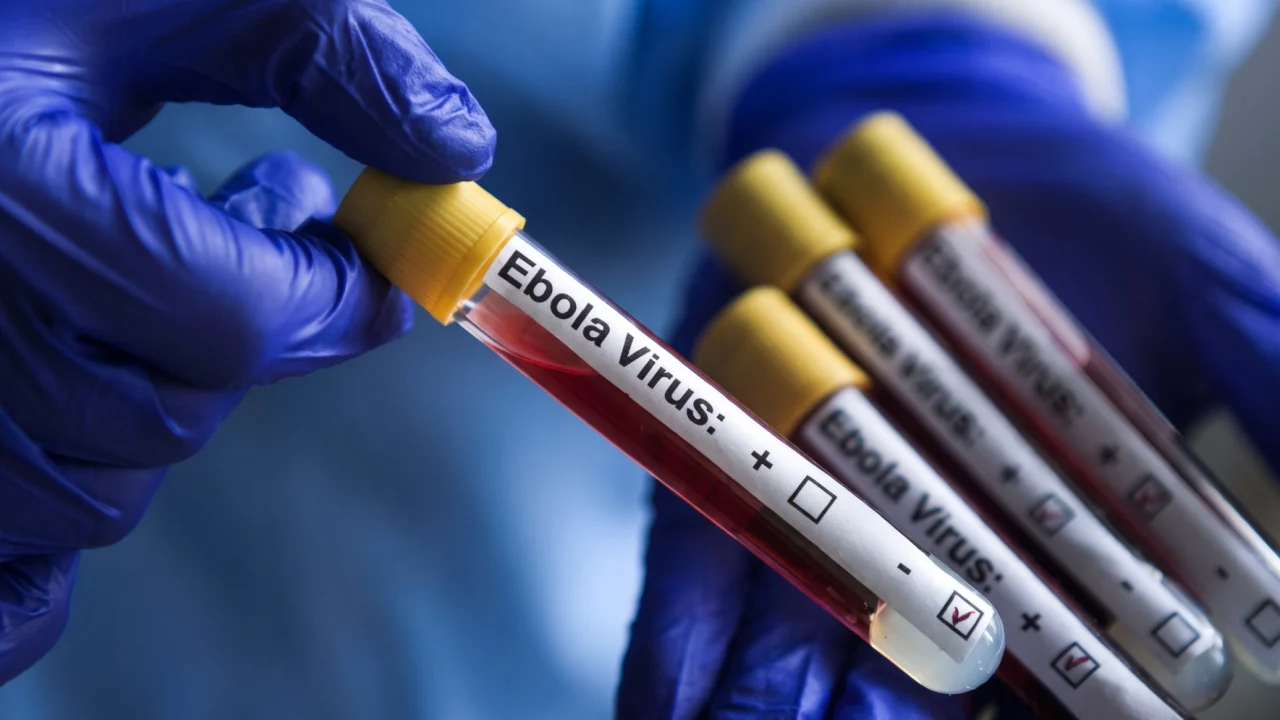
The Nigeria Centre for Disease Control and Prevention (NCDC) has identified two suspected cases of Ebola virus disease in the country’s North-East region, placing both individuals in isolation while diagnostic tests are conducted.
In a public health advisory issued on Saturday, October 31, 2026, the agency confirmed that public health response teams have activated emergency protocols, including sample collection for confirmatory laboratory analysis and contact tracing to determine prospective transmission chains. Health authorities clarified that the classification of both individuals as suspected cases does not denote confirmed infections, as final validation remains strictly contingent on pending laboratory outcomes from the National Reference Laboratory.
The surveillance alert follows the confirmation on October 20, 2026, of Nigeria’s first recorded Ebola case in more than a decade, involving a 42-year-old Swiss national who arrived in Abuja from Uganda and tested positive for the Bundibugyo strain.

Following clinical management by local medical personnel, the Federal Government facilitated the medical evacuation of the index patient and her spouse back to Switzerland aboard a specialised air ambulance on Monday, October 26, 2026. The agency had cumulatively line-listed and monitored 62 primary and secondary contacts linked to the index case prior to the detection of the suspected cases in the North-East.
The Coordinating Minister of Health and Social Welfare, Professor Muhammad Ali Pate, alongside disease intelligence officials, has directed tertiary and secondary medical centres across the federation to operate under a heightened index of suspicion. Ebola is a severe, often fatal haemorrhagic pathology transmitted primarily through contact with the blood, secretions, organs, or bodily fluids of infected individuals or contaminated surfaces.
The national public health institute urged citizens to maintain calm, avoid the consumption of uninspected bushmeat, practise frequent hand hygiene with soap and running water, and immediately report symptoms – including sudden fever, unexplained bleeding, intense body weakness, and vomiting – to medical personnel or via the national toll-free health line at 6232.