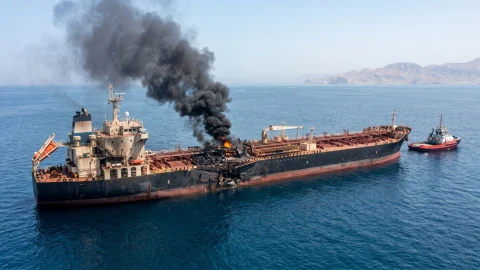
Regional diplomacy across the Middle East has shifted into an emergency posture over the past 24 hours as international mediators race to broker an urgent ceasefire between the United States and Iran amid mounting threats to global maritime trade.
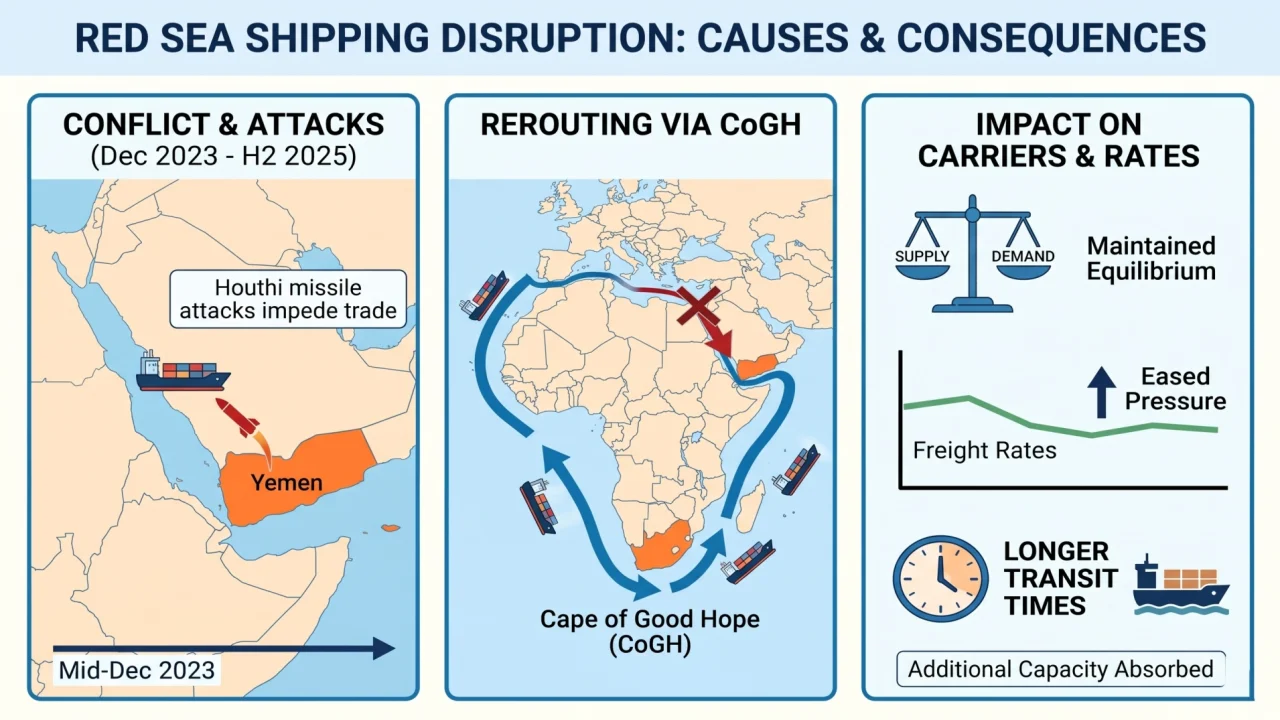
The diplomatic push accelerated following a stern declaration from Cairo, where Egypt’s Minister of Foreign Affairs warned that the security and territorial integrity of the Arab Gulf states are directly inseparable from Egypt’s own national security. The stark assessment follows severe economic fallout for Egypt, where revenues from the Suez Canal have plummeted as international commercial liners bypass the Red Sea and the Gulf of Aden in favour of circumnavigating Africa. Egyptian officials warned that renewed missile and drone harassment near the Strait of Hormuz represents an existential hazard to global supply chains, international navigation, and regional stability.
Behind closed doors, a high-stakes diplomatic backchannel spearheaded by Qatari and Pakistani intermediaries is operating at full capacity to avert an uncontainable direct conflict between Washington and Tehran. Envoys have shuttled between Doha, Islamabad, and Washington to trade framework provisions for a comprehensive truce. Substantive progress, however, remains stalled over competing preconditions.

The United States and its regional partners demand a verifiable cessation of drone and missile strikes by Houthi forces against commercial vessels, while Iranian negotiators insist that any durable pause must be conditioned on an immediate cessation of Western military strikes in Yemen and the targeted removal of maritime sanctions.
Urgency surrounding the talks is further heightened by immediate security hazards facing foreign personnel across the region. Western diplomatic missions in Baghdad and military installations near Erbil have been placed on elevated alert following intelligence warnings of imminent projectile attacks by aligned militia networks.
Diplomatic sources warn that an abrupt collapse of the Doha-Islamabad negotiations could trigger expansive retaliatory airstrikes against operational command sites across Iraq, Syria, and Yemen. In response to the looming escalatory cycle, European governments have privately appealed to American military planners to afford the current mediation window additional time to achieve a negotiated breakthrough.