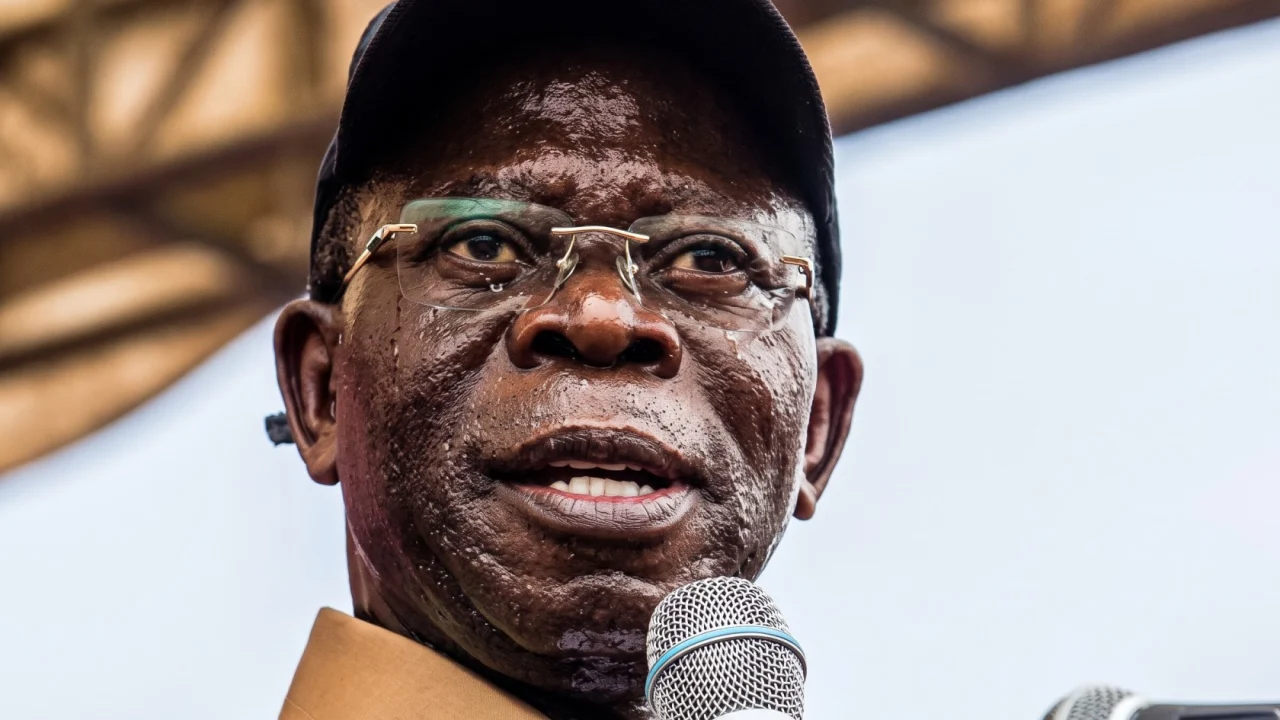
Adams Oshiomhole dismisses Obi single term pledge, framing the proposed governance model as a desperate electoral gimmick in a major political clash on November 2. The former national chairman of the ruling party launched a scathing critique during a campaign rally in Calabar, directly attacking the policy framework introduced by presidential hopeful Peter Obi ahead of the 2027 national elections.
The core of the controversy revolves around a foundational campaign commitment made by the candidate representing the Nigeria Democratic Congress. Obi has repeatedly committed to governing Nigeria for exactly one term of four years if elected, even offering to sign a formal legal pact to guarantee he would not seek re-election. He argues that the overlapping security crises and severe food inflation currently facing the nation require an urgent, hyper-focused rescue administration. According to this framework, a patriotic and disciplined leader can lay the institutional groundwork for economic revival within 48 months without wasting precious time or public resources on long-term political manoeuvring for a second term.
In a fierce rebuttal, the Edo North lawmaker aggressively rejected this premise, labelling the proposition as the height of desperation. As Oshiomhole dismisses Obi single term pledge, he introduced a sharp rhetorical attack by accusing his opponent of attempting to reduce the presidency to a turn-by-turn democracy. He argued that complex, deeply entrenched national issues cannot be untangled in such a short window, claiming that a president obviously needs eight years to make irreversible progress.

Questioning the governing credibility of the opposition figure, Oshiomhole pointed to his history as a two-term state executive, asking how someone who required eight years to manage a state could claim to fix the entire nation in just four. He further criticised his political consistency by highlighting his successive migrations through multiple political parties over the years.
The Nigeria Democratic Congress and allied opposition lawmakers quickly pushed back against the characterisation. Strategic caucuses in the National Assembly accused Oshiomhole of acting as a revisionist history writer and aggressively shielding the economic record of the current administration. Opposition defenders argued that the ruling establishment is terrified of the single-tenure framework because it resonates deeply with a population fatigued by politicians who spend their first term plotting their next campaign rather than focusing on governance.
Defending his platform, Obi expressed bewilderment that a vow of voluntary power relinquishment – a rarity in African politics – has generated such fierce resistance from the political establishment. Additional official releases on this ongoing dispute are available online.