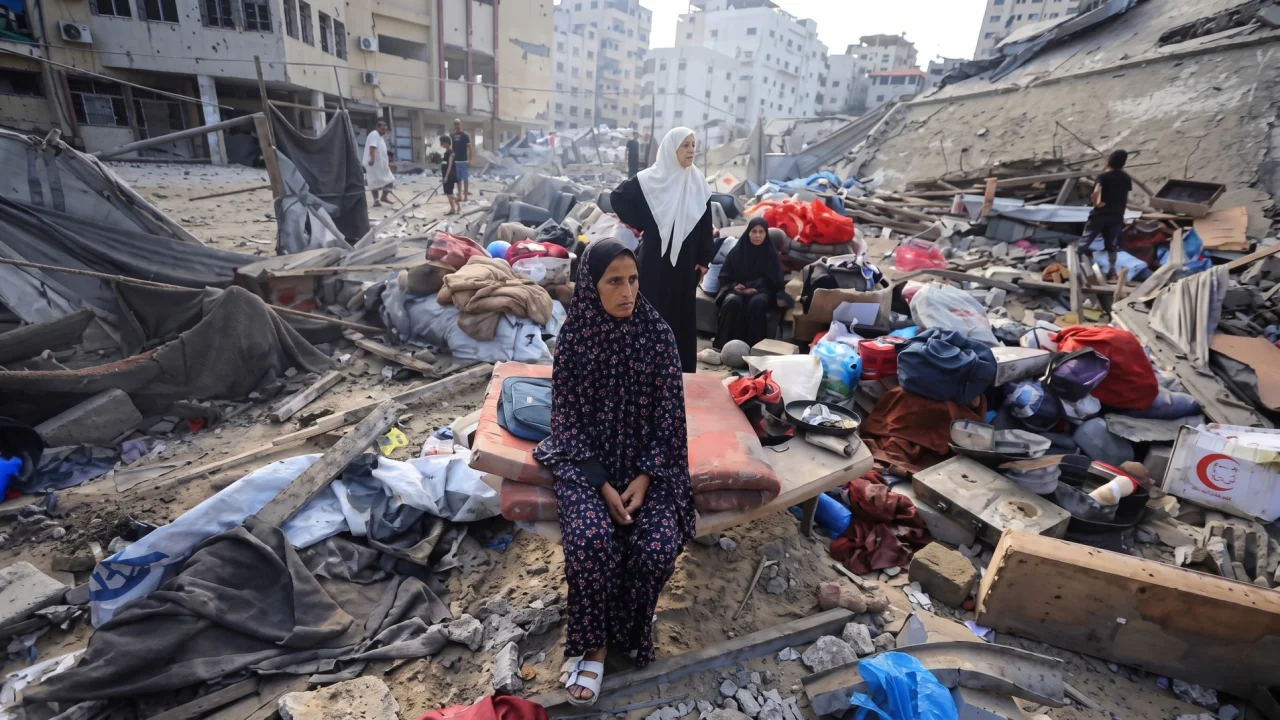
Renewed airstrikes on November 1, 2026, which resulted in the deaths of eight Palestinians, have further highlighted a sustained pattern of devastating bombardments in Gaza. Despite the United States-brokered ceasefire signed on October 10, 2025, the region has witnessed near-daily breaches on the ground.
Figures released by the health ministry in Gaza indicate that at least 1,580 Palestinians have been killed and 5,711 wounded in relentless offensives that United Nations experts have condemned as genocidal since the truce was officially implemented.
Independent conflict monitors, including ACLED, have recorded over 5,400 distinct armed assaults over the past year, ranging from naval bombardments to targeted airstrikes. A United Nations Commission of Inquiry report highlighted that Israeli forces have steadily expanded territorial control from 53 per cent to 60 per cent of Gaza during the truce.

According to the findings, lethal force has been routinely deployed along the demarcation line, resulting in at least 196 casualties among people attempting to cross. The safety of media workers also remains a major concern, with journalists killed in separate strikes near Netzarim and the Nuseirat refugee camp earlier in 2026. Recent escalations in September saw drone strikes and tank fire hit displacement tents and a school-turned-shelter in Deir al-Balah, claiming the lives of several children.
The delivery of humanitarian assistance remains severely restricted, compounding the crisis. While the ceasefire terms mandated the entry of at least 600 aid trucks daily, current averages hover below 227 trucks, fulfilling only a fraction of the allocated requirements. Vital fuel supplies remain critically low, and heavy reconstruction machinery is entirely barred from entering the enclave. In its defence, the Israeli government maintains that its operations strictly target militant operatives, accusing armed groups of exploiting the truce to secretly rearm, construct tunnels, and violate the agreed terms.
The persistent breakdown of the ceasefire has drawn severe rebukes from international bodies and regional mediators. A comprehensive report presented to the United Nations General Assembly formally accused Israel of committing war crimes, crimes against humanity, and acts of genocide, criticising the creation of unliveable conditions and the intentional targeting of civilian infrastructure. Regional brokers, including Qatar, Egypt, and Turkey, issued joint diplomatic statements condemning the strikes as a flagrant violation of international humanitarian law that actively derails secondary peace negotiations.
Furthermore, an Arab-Muslim coalition comprising foreign ministers from Saudi Arabia, the United Arab Emirates, Jordan, Pakistan, and Indonesia demanded enforceable international pressure to protect medical staff and secure aid routes.
Responding to the global backlash, the Israeli foreign ministry firmly rejected the findings, dismissing the United Nations assessments as a misinformation and propaganda campaign designed to demonise the state.