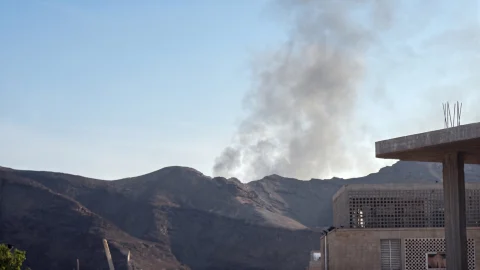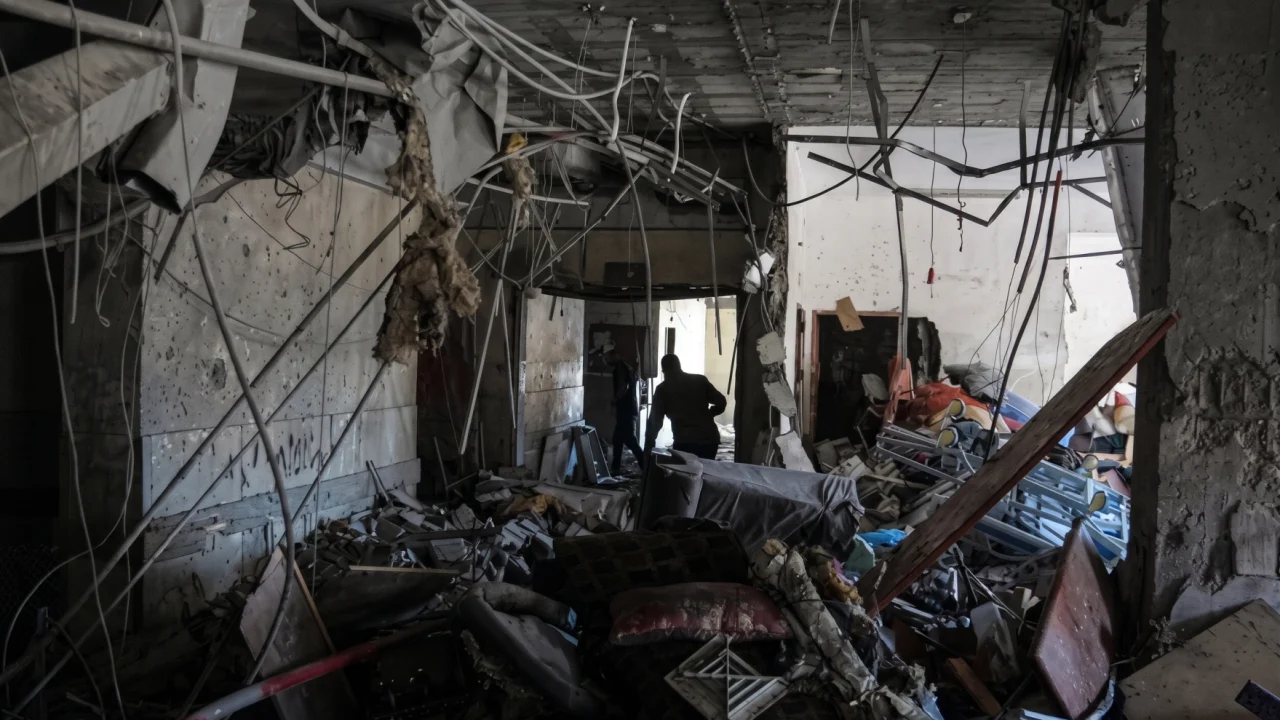
The international diplomatic community has issued a strong condemnation following an aerial bombardment of civilian healthcare infrastructure.
Early on Thursday, November 12, 2026, an Israeli airstrike hit the Nasser Medical Complex in southern Gaza. On Saturday, November 14, 2026, the foreign ministers of eighteen nations issued a joint statement condemning the strike as a flagrant violation of international humanitarian law.
Damage assessments from Hospital Director Dr Ahmed al-Fara indicate military forces fired two missiles at the five-story surgical building overnight. One missile detonated on the second floor, destroying operating rooms and inpatient wards, while the second munition failed to explode. The Palestinian Ministry of Health confirmed the blast killed at least six individuals and injured twenty-eight others. The casualties included on-duty general surgeon Dr Rizk Abu Shaira, a thirteen-year-old patient, and a disabled civilian.
Following the bombardment, hospital administrators suspended operations across four vital clinical departments. The Israel Defence Forces (IDF) and the Israel Security Agency (Shin Bet) issued military briefings stating the strike targeted Khan Younis Brigade Commander Muhammad Abu Ismail. Both the IDF and domestic intelligence alleged the facility functioned as a command headquarters, an accusation categorically rejected by health officials.
World Health Organisation (WHO) Director-General Tedros Adhanom Ghebreyesus reiterated that medical facilities must remain strictly demilitarised. Furthermore, Doctors Without Borders noted that Thursday marked the seventh time the medical complex has been struck since October 2023. The Palestinian Ministry of Health reports military operations have killed more than one thousand, six hundred and twenty people since the October 2025 truce, leaving only twenty of thirty-six regional hospitals partially functional.