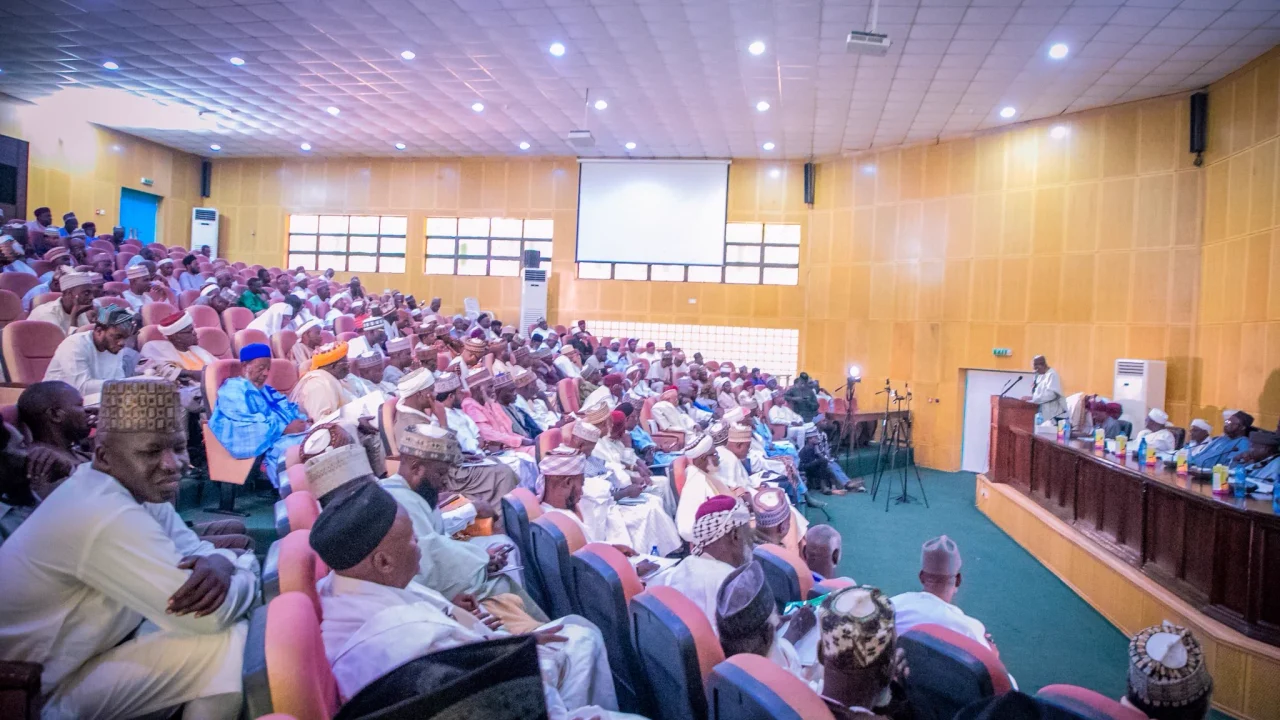
The Council of Ulama in Nigeria has concluded its 2026 Annual National Conference at the national headquarters of the Jama’atu Nasril Islam (JNI) in Kawo, Kaduna State, resolving to establish a unified legal framework to regulate religious preaching across the federation.
Held between 18 and 19 October under the theme “Towards Sanitising Da’awah Activities in Nigeria,” the two-day summit convened prominent Islamic scholars, jurists, and community leaders to evaluate proposals for a draft Da’awah Bill aimed at eliminating unregulated religious messaging.
Delegates at the conference called for coordinated and uniform preaching guidelines, observing that uncoordinated preaching often produces conflicting interpretations of the Holy Qur’an, stoking sectarian division and communal friction.
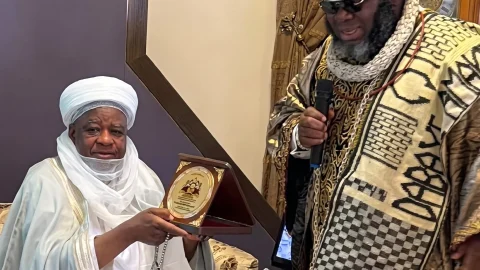
In a goodwill message delivered to the gathering, the Sultan of Sokoto, Alhaji Muhammad Sa’ad Abubakar III, cautioned clerics against delivering sermons capable of inciting hatred or discord. Represented by the Secretary-General of the JNI, Sheikh Khalid Aliyu, the Sultan noted that inflammatory or aggressive preaching often reflects a deficient understanding of Islamic jurisprudence and the peaceful tenets of the faith, urging scholars to prioritise national unity.
The Convener and Imam of the National Mosque, Professor Ibrahim Ahmad Maqari, explained that the technical sessions consolidated legal deliberations into a structured template to guide the formal draft legislation, describing the framework as vital to sanitising Da’awah operations nationwide.
Beyond religious matters, the National Secretary of the Council, Professor Muhammad Sadiq Abubakar, affirmed that the gathering served as a strategic platform to review broader national challenges. The council held working sessions to devise community-driven interventions addressing insecurity, widespread poverty, governance deficits, and moral decadence across the country.
The recommendations are currently being harmonised into a final draft framework, which will be submitted to legislative authorities and relevant regional bodies to advance the enactment of the Da’awah Regulation Bill.