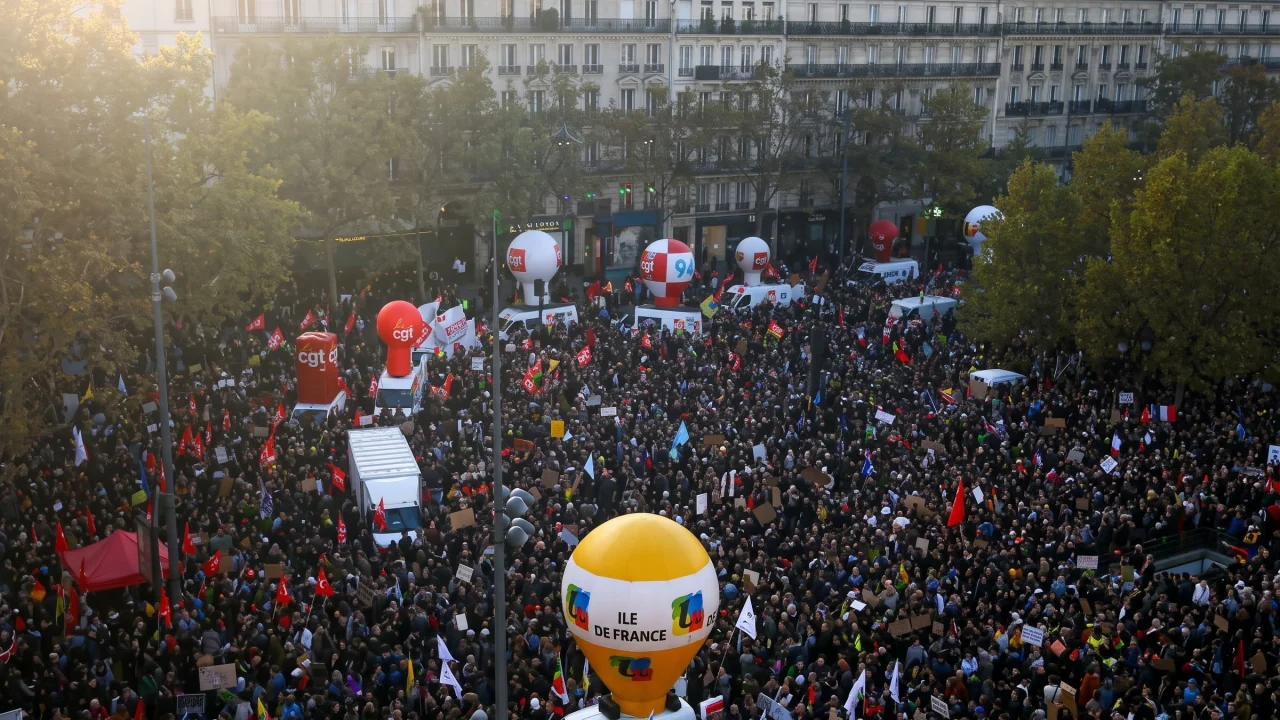
France is experiencing an unprecedented cycle of civil unrest that has lasted over forty-five days. What began as localised student strikes has snowballed into a massive popular uprising as cost-of-living protests sweep France.
On Saturday, November 7, 2026, at least one hundred and forty-six thousand citizens marched nationwide for a fourth consecutive weekend of mobilisation, according to crowd estimates from the French Ministry of the Interior. While turnout declined from a massive six-hundred-thousand-person general strike two days prior, property damage and clashes remain at historic highs.
According to data tracking by the Armed Conflict Location and Event Data Project, the intensity of the current civil unrest is three times higher than the national baseline average. The analytical organisation confirmed that incidents have jumped from a historical standard of twenty protests a day to nearly sixty-six daily demonstrations across the country.

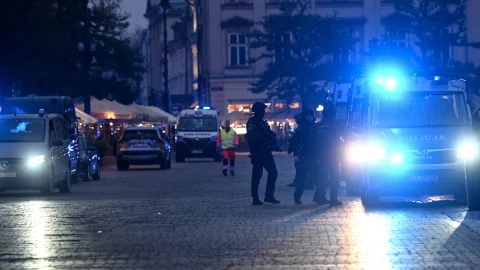
In anticipation of the weekend unrest, French Interior Minister Laurent Nuñez authorised a massive domestic security operation. French Interior Minister Laurent Nuñez confirmed the deployment of exactly seventy thousand police officers, heavy water cannons, and twenty-five armoured personnel vehicles across major metropolitan areas.
During the sanctioned march in Paris, clashes erupted after a faction of approximately two hundred agitators attacked officers, according to incident reports from the French National Police. Nationwide, law enforcement conducted over forty thousand preventive checks and arrested at least three hundred and sixty individuals over the course of Saturday alone, as logged by the French National Police.
The mass unrest has pushed the administration of French President Emmanuel Macron into a complex fiscal dilemma following the rejection of the national budget by lawmakers. To appease the public, the French Ministry of Economy and Finance hastily announced a five-billion-euro emergency funding package to restore schools and universities.
However, macroeconomists warn that the government is severely constrained, with official data from the French Treasury placing public debt at roughly one hundred and twenty per cent of the gross domestic product. The domestic chaos is heavily influencing the upcoming presidential election, with Far-Left Challenger Jean-Luc Mélenchon and Far-Right Leader Marine Le Pen surging in early polling data.
French Prime Minister Sébastien Lecornu has scheduled an emergency meeting with labour union representatives to discuss purchasing power. Despite this intervention, protest organisers have formally stated their intention to continue demonstrations through the winter months.