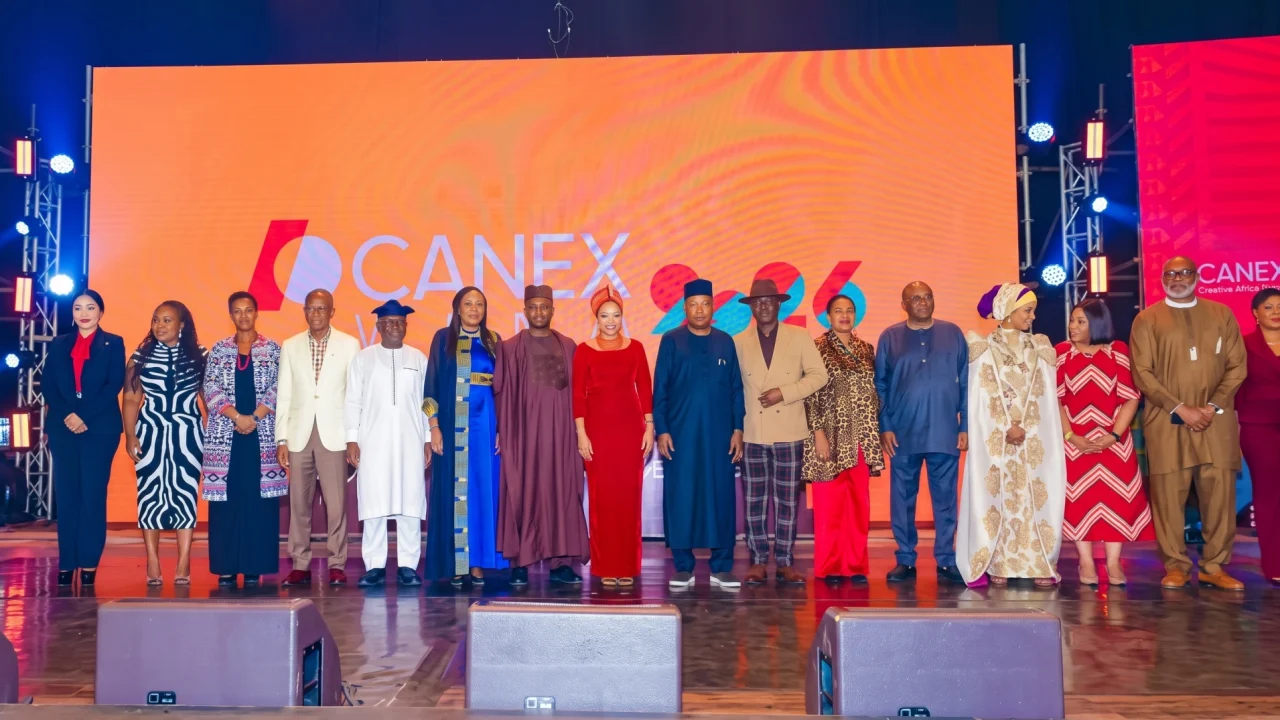
A landmark cultural and economic summit recently concluded in Lagos, marking a definitive turning point for the continental creative economy. Hosted by the Federal Government of Nigeria at the newly renovated Wole Soyinka Centre for Cultural and Creative Arts, the Creative Africa Nexus Weekend ran from November 5 to November 8, 2026. The event decisively shifted focus beyond artistic celebration into high-stakes international trade, investment, and financial infrastructure.
The sprawling global summit brought together top-tier policymakers, artists, and institutional financiers from over eighty countries spanning Africa, the Caribbean, and the wider diaspora. Organised primarily by the African Export-Import Bank, the gathering functioned as an aggressive economic clearinghouse for cultural industries. African Export-Import Bank Executive Vice President for Intra-African Trade Kanayo Awani confirmed that the Lagos edition explicitly targeted at least one billion dollars in fresh capital commitments through its structured deal room.
This aggressive financial push aimed to double the five hundred and forty million dollars in deals successfully closed during the previous 2024 summit in Algiers, according to historical bank data. The summit leveraged a rolling two-billion-dollar financing envelope dedicated to the creative economy by the African Export-Import Bank. A key economic highlight was the formal integration of the Pan-African Payment and Settlement System as the official transaction infrastructure for the event.
The opening ceremonies featured a powerful contingent of pan-African leadership demanding deep structural shifts. Vice President of Nigeria Kashim Shettima officially opened the event, urging African nations to aggressively lower trade and tariff barriers to ensure creative goods move friction-free across borders. According to economic data presented by the African Export-Import Bank, the global creative economy generates roughly sixty billion dollars annually, yet Africa captures less than two per cent of that market share.
The high-level discussions heavily focused on building domestic supply chains to ensure the financial value of intellectual property stays within the continent. Prominent policymakers in attendance included Secretary-General of the AfCFTA Wamkele Mene, Minister of Industry, Trade and Investment Dr Olajumoke Oduwole, and Minister of Art, Culture and the Creative Economy Hannatu Musa Musawa.
In a massive win for the host country, Nigerian publisher Parrésia Publishers secured the prestigious twenty-thousand-dollar prize for publishing. By anchoring the massive summit in Lagos, the host nation has strategically positioned its entertainment ecosystem to transition from informal popularity into a formalised, banking-compliant economic sector. The ultimate success of the event will depend on how quickly the one billion dollars in proposed deal-room pipelines crystallise into active bank disbursements over the coming fiscal quarters.